
Optimal Timing for Door Service
Determining the optimal time for door service involves considering various factors such as seasonal weather changes, traffic patterns, and maintenance schedules. Proper timing can ensure safety, efficiency, and longevity of the door system.
Extreme weather conditions like winter cold or summer heat can affect door operation, making scheduled service essential during seasonal transitions.
High-traffic periods may require more frequent inspections to prevent breakdowns and ensure smooth operation.
Regularly scheduled service helps identify potential issues early, reducing costly repairs and downtime.
Immediate service is necessary if a door malfunctions unexpectedly, especially in critical access points.
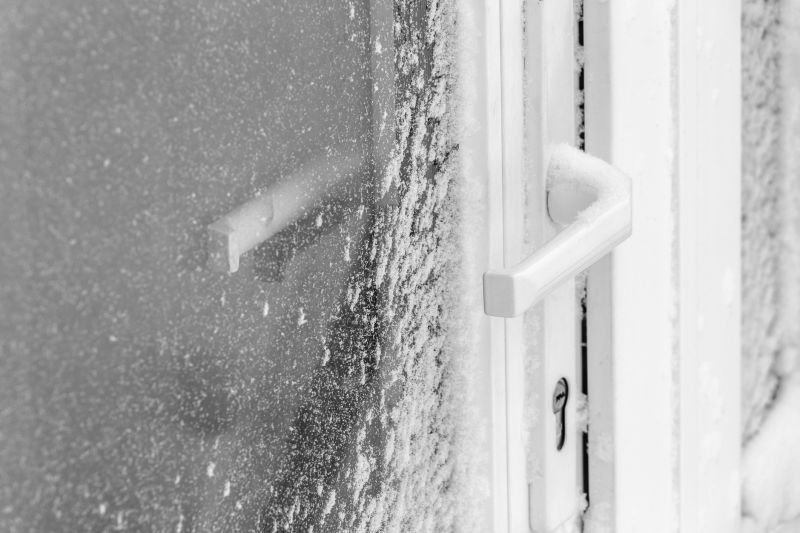
Maintenance during winter helps prevent freezing and ensures reliable operation in cold temperatures.
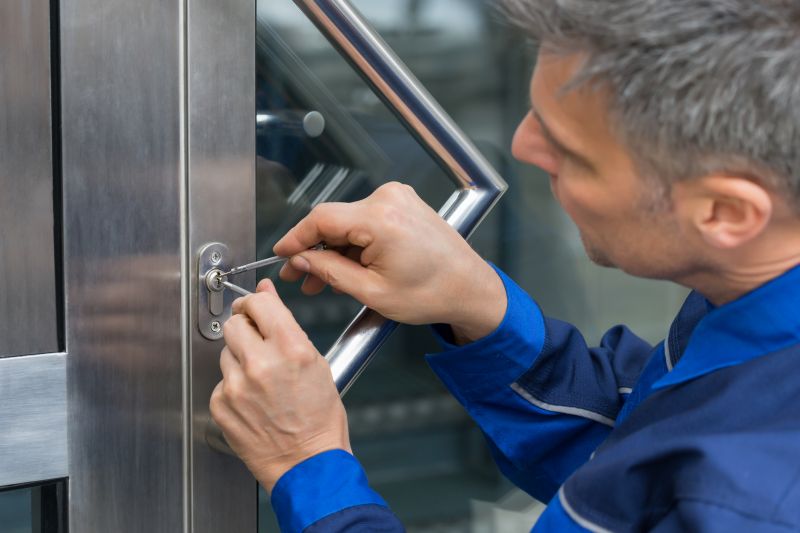
Service during peak usage times maintains operational efficiency and safety.
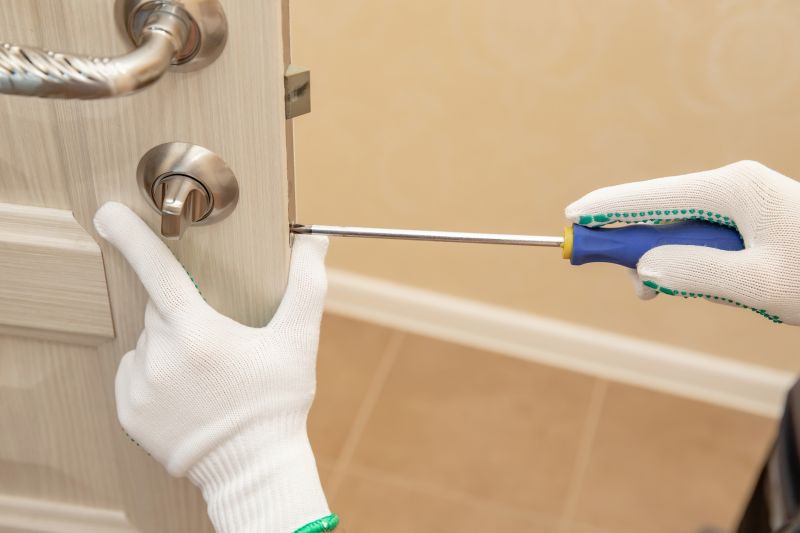
Immediate response to malfunctions minimizes downtime and security risks.
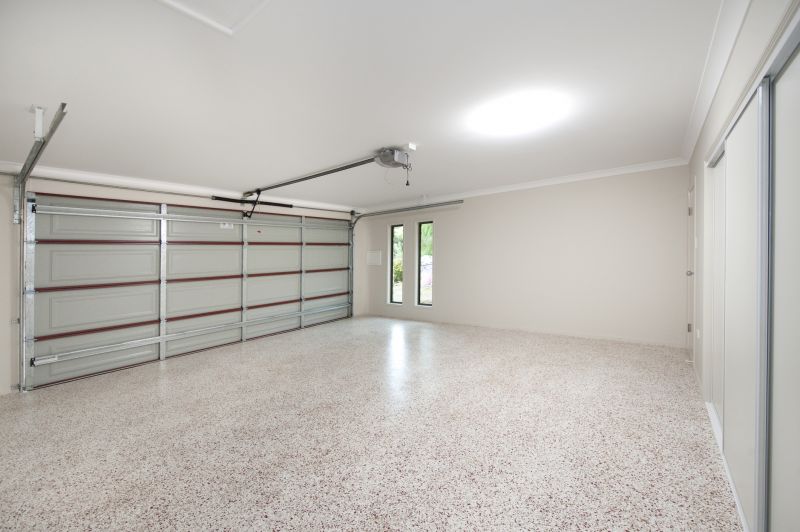
Ways to make Door Service work in tight or awkward layouts.
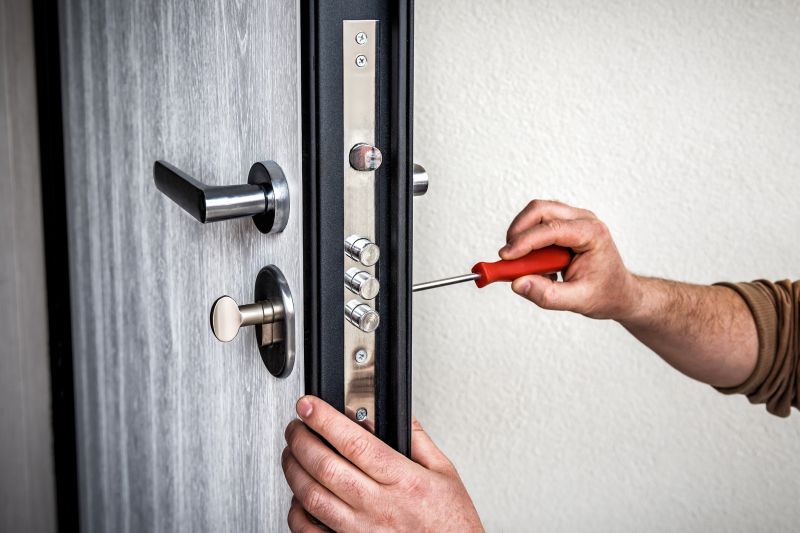
Popular materials for Door Service and why they hold up over time.

Simple add-ons that improve Door Service without blowing the budget.
| Scenario | Recommended Timing |
|---|---|
| Seasonal Changes | Before seasonal transitions |
| High Traffic Periods | During off-peak hours |
| Routine Maintenance | Scheduled regularly based on usage |
| Emergency Malfunctions | Immediately upon detection |
| Weather Extremes | Prior to forecasted extreme weather |
Door service encompasses a range of maintenance and repair activities designed to ensure the safe and efficient operation of various door types. Regular inspections can identify wear and tear, lubrication needs, and alignment issues. Properly maintained doors reduce energy costs, enhance security, and prevent unexpected failures. Statistics indicate that scheduled maintenance can extend the lifespan of door systems by up to 30%, saving costs associated with emergency repairs and replacements.
Advancements in door technology have improved safety features, automation, and durability. Modern systems often include sensors, automatic openers, and security integrations. Understanding the optimal timing for door service ensures these features function correctly, providing reliable access and security. Regular service also supports compliance with safety standards and reduces liability risks.
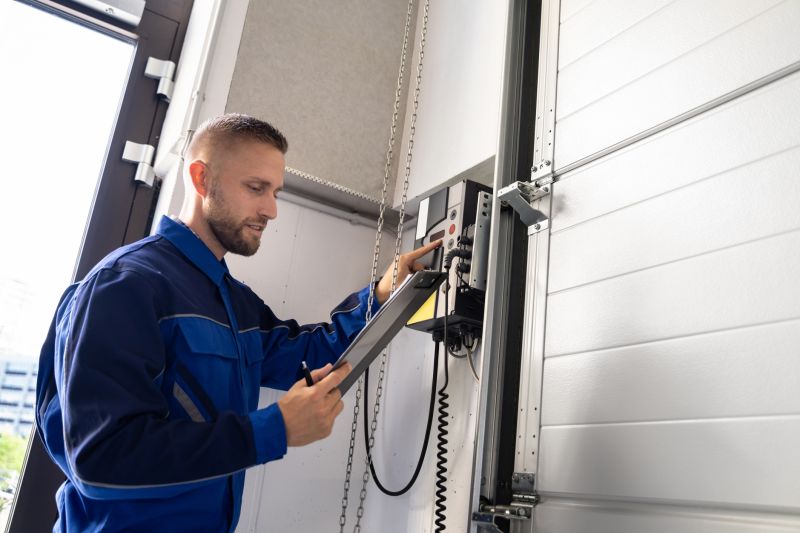
Ensures sensors and motors operate correctly for safety and convenience.
Regular checks maintain security features and prevent breaches.
Routine maintenance extends lifespan and prevents breakdowns.
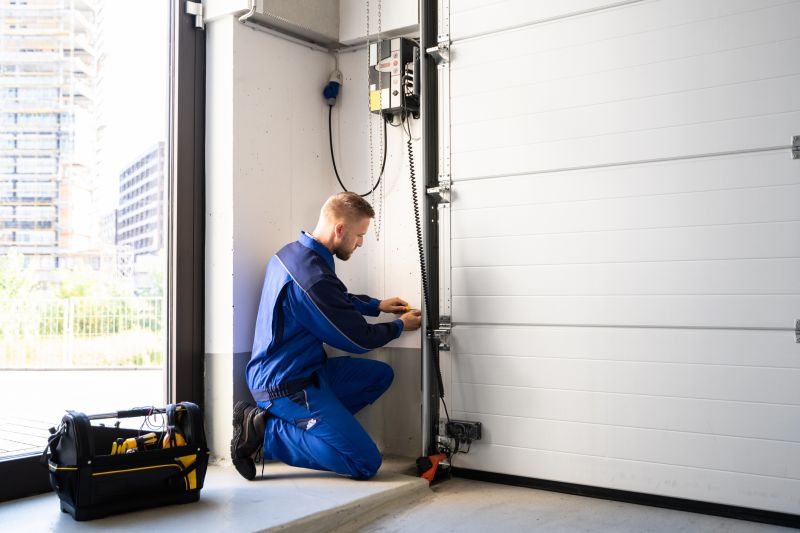
Timely service minimizes operational disruptions.
Interested parties are encouraged to contact for detailed scheduling options and tailored maintenance plans. Proper timing of door service can enhance safety, efficiency, and operational longevity, making it a crucial aspect of facility management.